
Optimal Timing for Water Treatments
Water treatments are often most effective when aligned with seasonal changes, such as increased algae growth in summer or mineral buildup in winter.
Scheduling treatments during periods of lower water demand can improve treatment efficacy and reduce disruptions.
Monitoring water quality indicators helps determine optimal treatment times to address specific issues like high chloramine levels or sediment buildup.
Regular treatments scheduled proactively can prevent the development of more serious water quality problems.
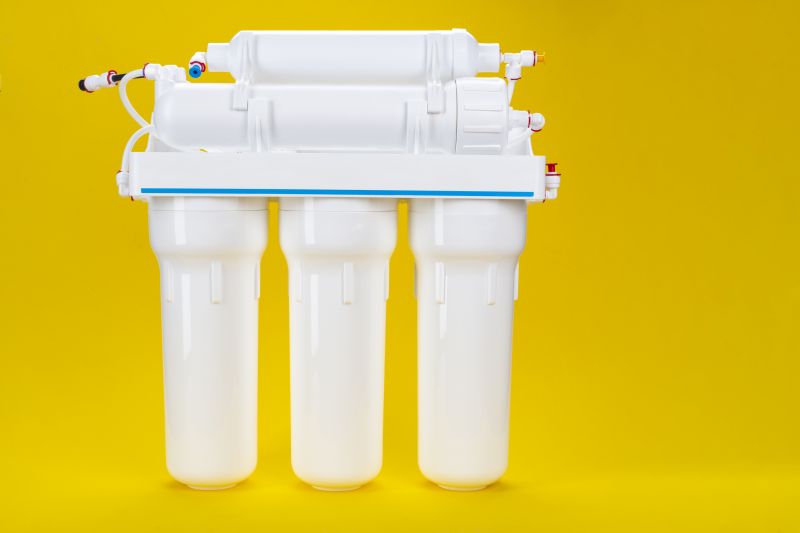
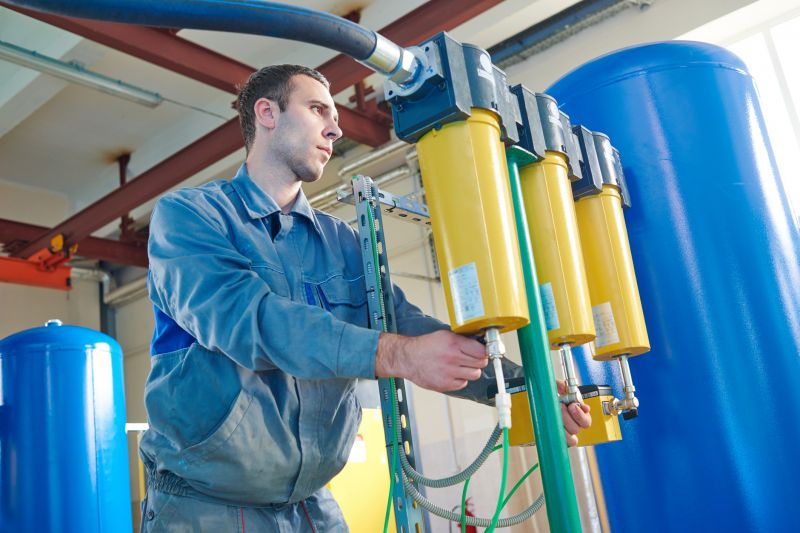
Modern equipment used for water treatments ensures precise and efficient water quality management.

Automated systems for chemical treatments improve timing and consistency in water quality control.

Advanced filtration units remove particulates and contaminants at optimal times for system health.
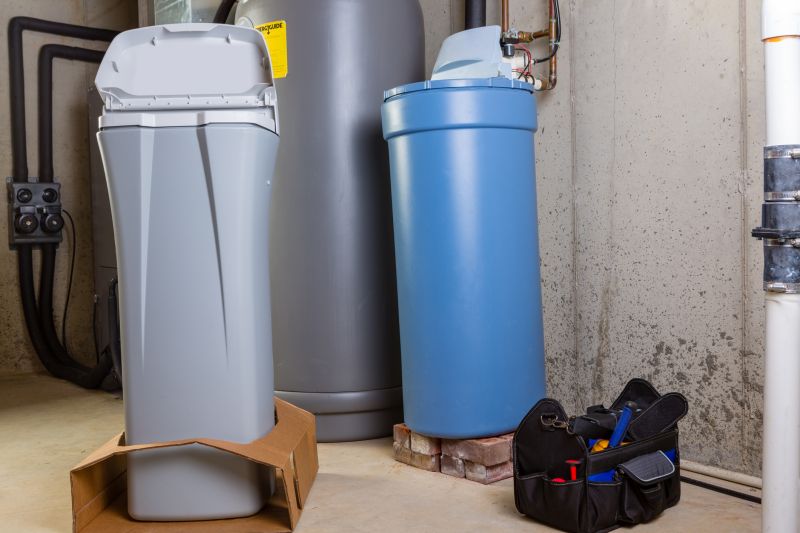
Ways to make Water Treatments work in tight or awkward layouts.
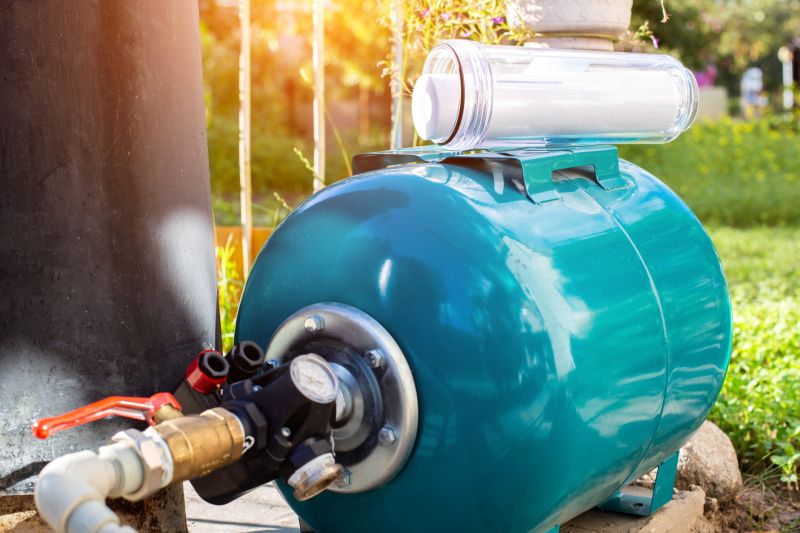
Popular materials for Water Treatments and why they hold up over time.
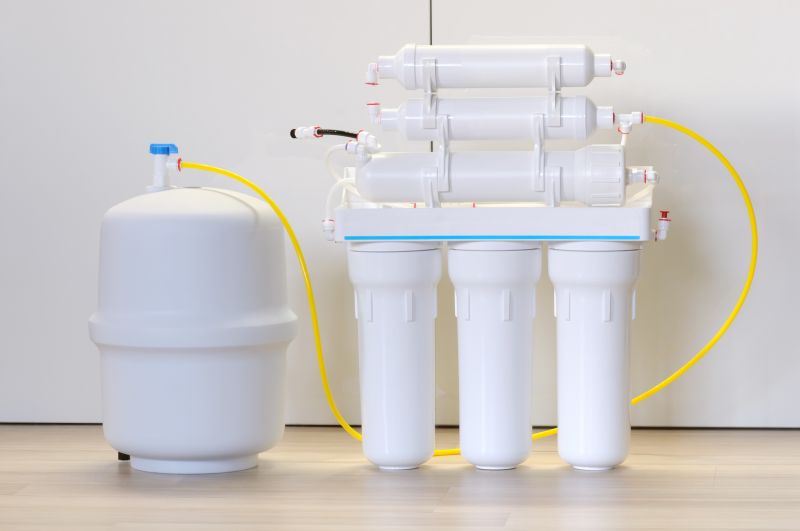
Simple add-ons that improve Water Treatments without blowing the budget.
| Timing Factor | Optimal Period |
|---|---|
| Seasonal Changes | Spring and Fall |
| High Water Usage | Off-peak hours or seasons |
| Water Quality Issues | Immediately upon detection |
| System Maintenance | Scheduled quarterly or biannually |
| Regulatory Deadlines | As specified by local regulations |
Water treatments involve various processes designed to remove contaminants, control microbial growth, and improve water clarity. These processes include chemical dosing, filtration, disinfection, and pH adjustment. Proper timing ensures these treatments are most effective, reducing the risk of waterborne illnesses and maintaining infrastructure integrity. Statistics indicate that untreated or poorly timed treatments can lead to increased microbial contamination, with studies showing up to 30% of waterborne disease outbreaks linked to inadequate treatment schedules.
Implementing a well-planned treatment schedule can optimize water quality, extend equipment lifespan, and meet regulatory standards. Regular assessments of water conditions help determine the best times for treatment, ensuring consistent water safety and quality. Advances in treatment technology have made it possible to precisely target issues at optimal times, saving resources and reducing operational costs.
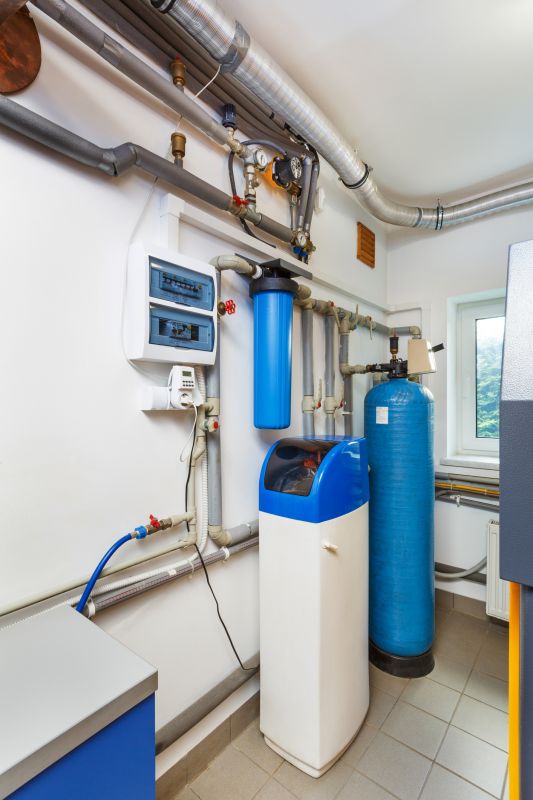
A comprehensive view of a modern water treatment facility.
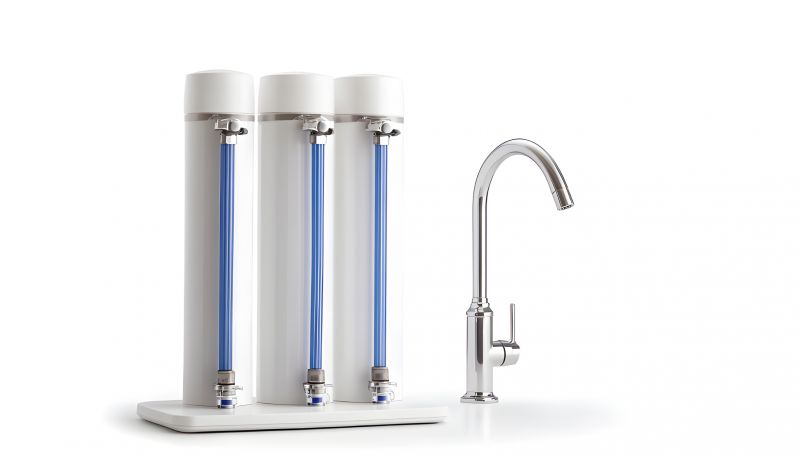
Chemical dosing systems used for water purification.
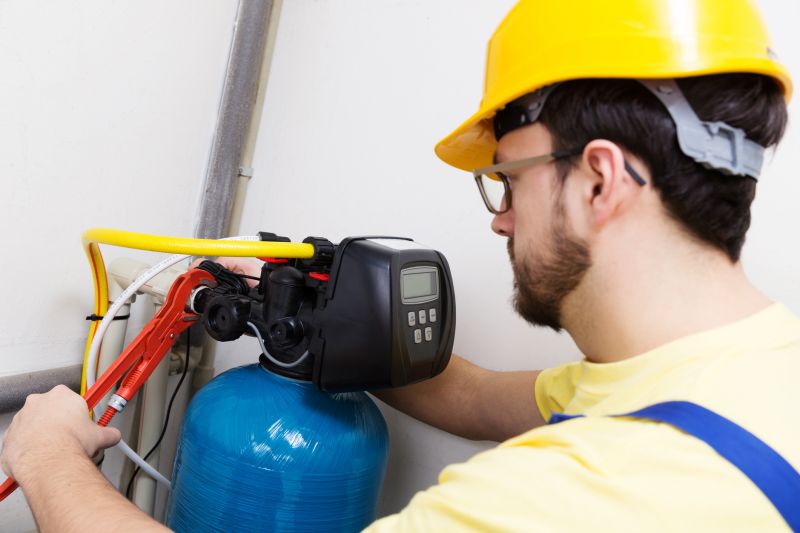
Detailed view of filtration units in action.
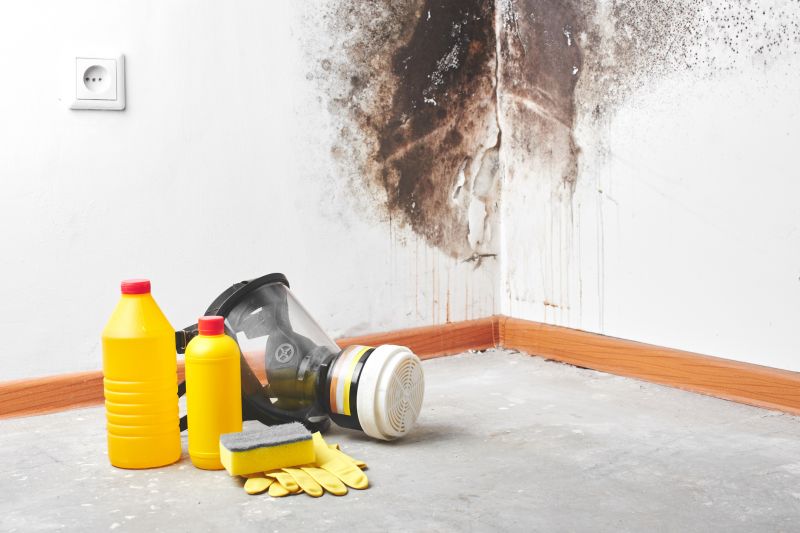
Equipment used for disinfecting water supplies.
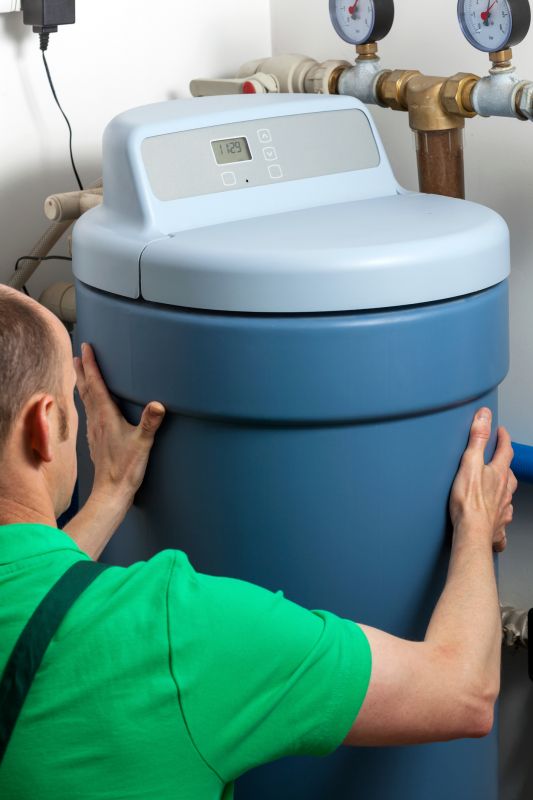
High-end options that actually feel worth it for Water Treatments.
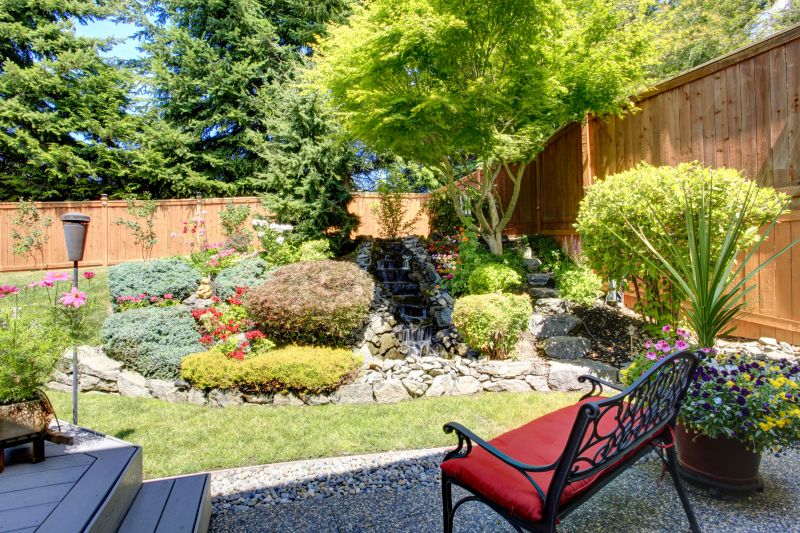
Finishes and colors that play nicely with Water Treatments.
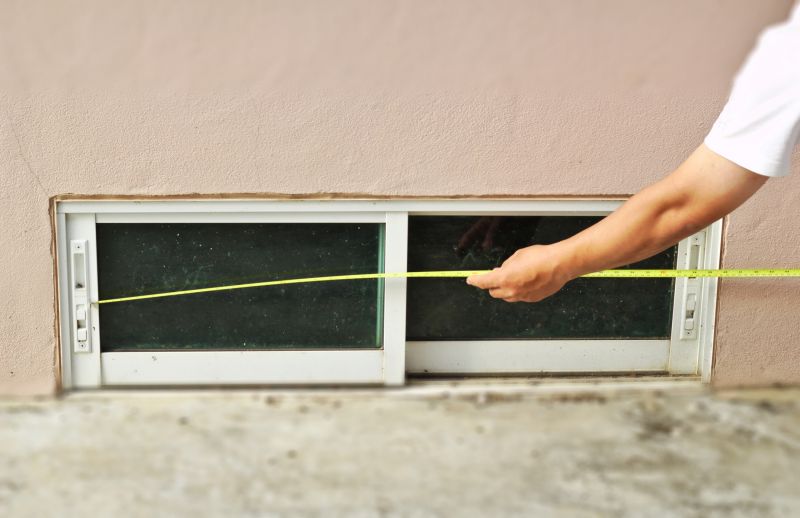
Little measurements that prevent headaches on Water Treatments day.
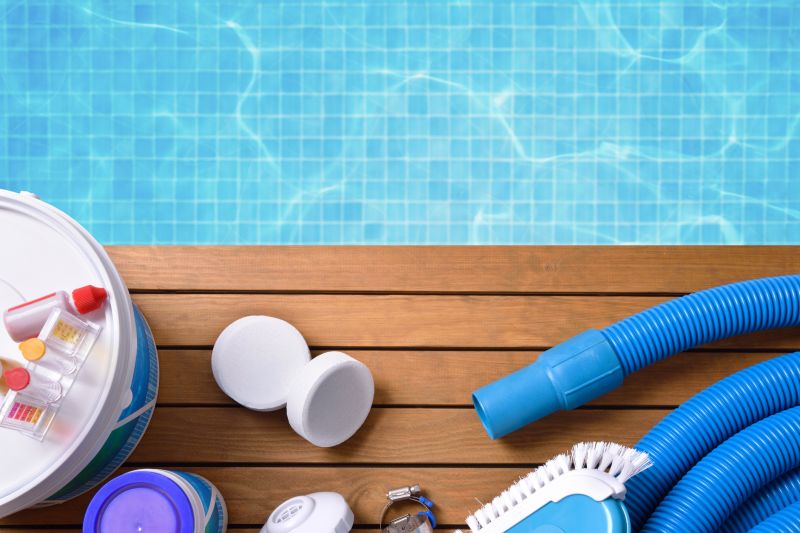
A 60-second routine that keeps Water Treatments looking new.
A frequent mistake in Water Treatments and how to dodge it.
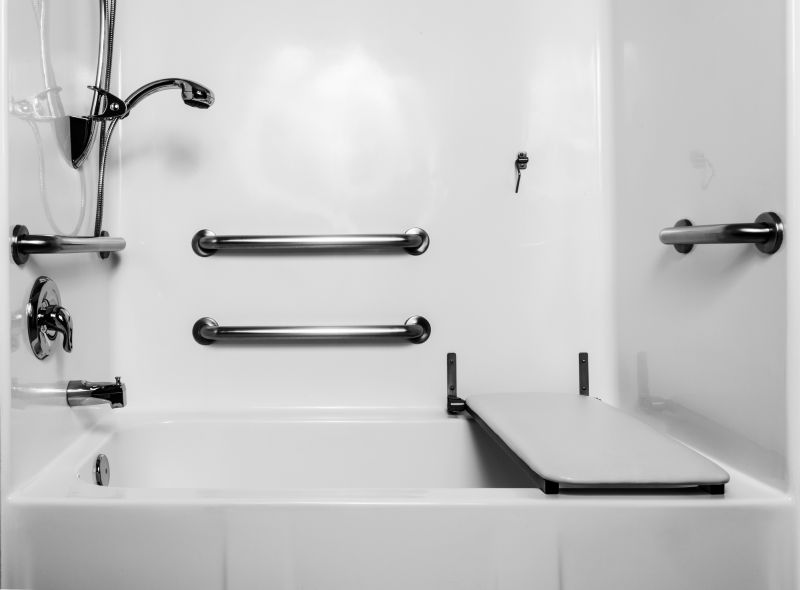
Small tweaks to make Water Treatments safer and easier to use.

Lower-waste or water-saving choices for Water Treatments.

The short, realistic tool list for quality Water Treatments.
For those interested in maintaining optimal water quality through proper treatment timing, it is advisable to consult with water treatment professionals. Filling out the contact form can provide tailored guidance and scheduling options to meet specific water system needs.
